Tokyo After Dark: Inside Japan's Underground House Revolution
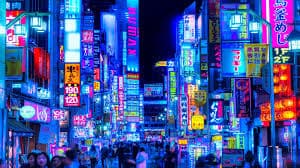
Tokyo's electronic music scene has undergone a seismic transformation. Once known for strict noise ordinances and early closing times, the city has emerged as a global hub for underground house and techno culture—rivaling Berlin, Detroit, and London in both authenticity and innovation.
The Evolution of Tokyo's Nightlife
Japan's capital spent decades under regulatory constraints that stifled its club culture. The notorious Fueiho law, enacted in 1948, restricted dancing in venues without special licenses and enforced closures as early as midnight. But in 2015, a grassroots movement led by DJs, promoters, and nightlife advocates successfully campaigned to amend the law. The result? A renaissance.
By 2020, Tokyo's club scene had exploded. Today, in 2026, the city boasts over 50 dedicated electronic music venues, ranging from intimate 100-capacity basement spaces to massive multi-floor complexes hosting international headliners weekly.
The Iconic Venues
WOMB Shibuya
No conversation about Tokyo's house scene is complete without mentioning WOMB. Located in the heart of Shibuya, this four-story temple of sound has been the city's flagship techno venue since 2000. With a custom-designed sound system by Martin Audio and a 20-meter LED wall that rivals Berghain's production quality, WOMB consistently books the world's top talent—from Charlotte de Witte and Ben Klock to Amelie Lens and Jeff Mills.
The club's main floor holds 1,000 people, and on peak nights, the energy is electric. Deep basslines reverberate through your chest, and the crowd—a mix of locals, expats, and music pilgrims from across Asia—moves as one organism under pulsating strobes.
Contact Tokyo
For raw, unfiltered techno, Contact is the destination. This Shibuya venue is housed in a former warehouse, with exposed concrete walls, industrial fixtures, and a stripped-down aesthetic that echoes Berlin's underground ethos.
Contact's booking philosophy emphasizes experimental electronica, minimal techno, and live hardware sets. Artists like Surgeon, Dax J, and Function have graced its decks, and the venue's no-frills approach attracts serious heads who prioritize sound quality and vibe over Instagram aesthetics.
Vision Tokyo
Vision occupies a unique space in Tokyo's nightlife ecosystem. Spanning multiple floors in Shibuya, it caters to both mainstream and underground tastes. The basement floor, Vision Quest, focuses on deep house and melodic techno, while the upper levels host hip-hop, R&B, and more commercial dance music.
Vision's programming strikes a balance—Friday nights bring in international house DJs like Black Coffee and Dixon, while Saturdays often feature Japanese talent pushing the boundaries of minimal and ambient techno.
OHJO
For those seeking the truly underground, OHJO delivers. This small, 150-capacity venue in Shibuya specializes in experimental electronic music, IDM, and ambient soundscapes. The space feels intimate—almost like a secret society—with exposed brick, dim lighting, and a crowd that values artistic expression over spectacle.
OHJO's events often blur the lines between live performance and DJ set, with artists incorporating modular synthesizers, live drum machines, and audiovisual installations into their shows.
The Sound of Tokyo
Tokyo's house and techno scene is characterized by diversity. Unlike cities with a singular sonic identity, Tokyo embraces everything from Detroit-inspired techno and Chicago house to Japanese ambient and experimental electronica.
Local DJs like Wata Igarashi, Sunju Hargun, and Shinichiro Yokota have gained international recognition, and their productions reflect a uniquely Japanese sensibility—meticulous, minimalist, and deeply emotional. Japanese audiences, known for their respect and attentiveness, create an atmosphere where music is genuinely experienced, not just consumed.
Cultural Nuances
What sets Tokyo apart from Western club capitals is its culture of respect. There's no talking on the dance floor. No phones recording sets. No shoving to the front. Just pure, collective immersion in sound.
This ethos extends to the DJs themselves. Many international artists describe playing in Tokyo as a spiritual experience—audiences hang on every transition, every build, every drop. The connection between performer and crowd is palpable.
The Future
As we move deeper into 2026, Tokyo shows no signs of slowing down. New venues continue to open, and the city's reputation as a must-visit destination for electronic music enthusiasts grows stronger. With its blend of cutting-edge sound design, world-class talent, and a deeply respectful audience, Tokyo has secured its place as one of the world's great club capitals.
Whether you're a seasoned raver or a curious first-timer, Tokyo's underground scene offers something rare: a chance to lose yourself completely in music, surrounded by people who understand that the dance floor is sacred space.
Getting There: Most clubs are in Shibuya/Roppongi via metro. Entry ¥2,000–¥5,000. Dress casual.
Best Nights: Friday/Saturday peak, midweek for experimental sounds.